
by twistedpixels | Nov 13, 2026 | Graphic Design
A recognisable business mark that remains identifiable on screens, signs and printed material is the main reason many café, restaurant and venue operators commission logo design. In this setting, customers frequently make a decision while comparing time, location and availability on a phone.
Consider an offer that changes with service times and may need a different treatment during peak trading. In that situation, the value of professional support is a clearer agreement about what gets delivered, who approves it and what it will do for customers.
Choosing a suitable scope
The comparison here is refreshing a familiar mark versus developing a new identity. Neither option has value in isolation. The right scope depends on whether the immediate priority is an accurate picture of the experience and a simple route to book or visit, and whether front-of-house staff who receive repeat questions from customers can maintain what has been agreed. A smaller commission can work well where there is one clear deadline and a stable offer. Where several teams or formats are involved, a broader scope may prevent duplicated effort, conflicting information or production delays.
Material, format and placement can affect what a customer sees in practice. A close-up proof has a different job from an example viewed from the pavement or on a phone. A useful professional proposal explains the relevant checks and who takes responsibility for each one.
What affects the quote
The most relevant quote factors are existing artwork, naming decisions and the range of reproduction sizes. The handover should make it clear which files are suitable for signage, web and print. Ask the provider to identify the assumptions behind the price, the work included and which changes would require another estimate. Two quotes can differ because one includes approval, production, delivery or ongoing support that the other treats as separate work. A fair comparison puts both proposals against the same business outcome and the same final deliverables.
What you can expect to receive
A useful proposal should specify a scalable master logo, practical colour variants and approved export files. For hospitality businesses, the conversation will usually be clearer when the business can share current menus, opening hours, booking arrangements and approved venue images. That information helps the supplier assess the scope and highlight anything the team still needs to decide. It also gives the people responsible for approval something concrete to review before the work moves into production or launch.
How to judge the completed work
Agree what a usable result looks like for café, restaurant and venue operators. A plausible success test is whether the work supports an accurate picture of the experience and a simple route to book or visit, under the conditions the business sees day to day. Ask what the supplier will present for approval and who will own any issue spotted at that point. For a fixed deadline, check what date the supplier needs final approval, and what options are available if an essential detail changes.
Discussing your project with Twisted Pixels
Twisted Pixels can discuss the brief with café, restaurant and venue operators in East Kilbride, Glasgow and the surrounding area. Tell us what the work needs to achieve, who it is for and when it needs to be ready. We can explain what a suitable scope is likely to include and where a sample, existing asset or more precise specification would make a quote more useful.
Explore logo design, browse Twisted Pixels Insights or discuss your brief with Twisted Pixels.
Related commissioning guides

by twistedpixels | Nov 11, 2026 | Graphic Design
A clear sales document that helps readers compare what the business offers is the main reason many sales managers and manufacturing business owners commission brochure design. In this setting, customers compare specifications, delivery arrangements and the reliability of the supplier.
Consider a new range that must be represented consistently to existing accounts and prospects. In that situation, the value of professional support is a clearer agreement about what gets delivered, who approves it and what it will do for customers.
Choosing a suitable scope
The comparison here is a short overview versus a detailed publication designed for reference. Neither option has value in isolation. The right scope depends on whether the immediate priority is a clearer buying decision and reliable information across the sales process, and whether sales and production colleagues who need to agree what the customer will receive can maintain what has been agreed. A smaller commission can work well where there is one clear deadline and a stable offer. Where several teams or formats are involved, a broader scope may prevent duplicated effort, conflicting information or production delays.
A small business can often separate a launch requirement from improvements it would like to make later. That distinction lets a supplier explain which items are necessary for a useful result and which could wait. It also makes it easier for the people using the work to understand what will be ready on the agreed date.
What affects the quote
The most relevant quote factors are page count, copy readiness, image availability and the number of revisions. A reader should understand the key services and enquiry route without hunting through the document. Ask the provider to identify the assumptions behind the price, the work included and which changes would require another estimate. Two quotes can differ because one includes approval, production, delivery or ongoing support that the other treats as separate work. A fair comparison puts both proposals against the same business outcome and the same final deliverables.
What you can expect to receive
A useful proposal should specify an agreed layout, proofs for review and artwork matched to the printer's specification. For manufacturers and suppliers, the conversation will usually be clearer when the business can share current product information, images with permission and commercial sales priorities. That information helps the supplier assess the scope and highlight anything the team still needs to decide. It also gives the people responsible for approval something concrete to review before the work moves into production or launch.
How to judge the completed work
Agree what a usable result looks like for sales managers and manufacturing business owners. A plausible success test is whether the work supports a clearer buying decision and reliable information across the sales process, under the conditions the business sees day to day. Ask what the supplier will present for approval and who will own any issue spotted at that point. For a fixed deadline, check what date the supplier needs final approval, and what options are available if an essential detail changes.
Discussing your project with Twisted Pixels
Twisted Pixels can discuss the brief with sales managers and manufacturing business owners in East Kilbride, Glasgow and the surrounding area. Tell us what the work needs to achieve, who it is for and when it needs to be ready. We can explain what a suitable scope is likely to include and where a sample, existing asset or more precise specification would make a quote more useful.
Explore brochure design, browse Twisted Pixels Insights or discuss your brief with Twisted Pixels.
Related commissioning guides

by twistedpixels | Sep 7, 2026 | Graphic Design
Share one approved set of reference files and a small set of rules. Before artwork is approved, identify where it will be seen and who needs to use the files. A design that works at full screen may behave differently on a printed item or small mobile crop.
Working through the details
Specify how each supplier should handle colour, scale and file types.
A check you can repeat
Ask for separate proofs when the material or production method changes. Try the checks on one real item, such as a business card, social graphic or packaging panel. Keep the approved file and its production instructions together.
Test it on a practical example
As a working exercise, choose one live example you can check from start to finish. Write down the intended result before comparing versions, or it will be difficult to tell whether a later change improved anything.
- Specify how each supplier should handle colour, scale and file types.
- Ask for separate proofs when the material or production method changes.
- Compare the final result with the intended use, and record who will confirm that it is ready.
Use the most demanding finished format for the first comparison. An identity that reads clearly on a widescreen presentation can look very different as a small mark on a printed label. Keep the content constant across the options and compare the reading order, the amount of usable space and the appearance of the approved artwork in each size.
What to record before sign-off
Keep a written record of the approved design direction, the exact file used for proofing and the intended production method. If changes are made after sign-off, check the affected formats again before releasing the new artwork.
For help with this work, explore our branding and identity in East Kilbride and Glasgow or tell us about your project.
Related reading

by twistedpixels | Aug 31, 2026 | Graphic Design
For trade business owners and property service managers, the commercial value of brochure design is a clear sales document that helps readers compare what the business offers. Customers commonly need to know where work is available and whether their job fits the service.
A typical decision might involve a change in the mix of residential and commercial enquiries the business wants. This is an illustrative brief. It points to the kind of evidence to ask for and helps explain why a quote may differ from a superficially similar job.
Choosing a suitable scope
The comparison here is a short overview versus a detailed publication designed for reference. Neither option has value in isolation. The right scope depends on whether the immediate priority is an obvious route for the right customers to describe the job, and whether the staff member taking enquiries while jobs are in progress can maintain what has been agreed. A smaller commission can work well where there is one clear deadline and a stable offer. Where several teams or formats are involved, a broader scope may prevent duplicated effort, conflicting information or production delays.
For a physical job, the production and delivery schedule may matter as much as the design time. An installation or print run can depend on details that a visual presentation does not reveal. Ask which decisions affect production and when the opportunity to make changes closes.
What affects the quote
The most relevant quote factors are page count, copy readiness, image availability and the number of revisions. A reader should understand the key services and enquiry route without hunting through the document. Ask the provider to identify the assumptions behind the price, the work included and which changes would require another estimate. Two quotes can differ because one includes approval, production, delivery or ongoing support that the other treats as separate work. A fair comparison puts both proposals against the same business outcome and the same final deliverables.
What you can expect to receive
A useful proposal should specify an agreed layout, proofs for review and artwork matched to the printer's specification. For trades and property firms, the conversation will usually be clearer when the business can share service coverage, job examples and practical information about quoting. That information helps the supplier assess the scope and highlight anything the team still needs to decide. It also gives the people responsible for approval something concrete to review before the work moves into production or launch.
How to judge the completed work
Agree what a usable result looks like for trade business owners and property service managers. A plausible success test is whether the work supports an obvious route for the right customers to describe the job, under the conditions the business sees day to day. Ask what the supplier will present for approval and who will own any issue spotted at that point. For a fixed deadline, check what date the supplier needs final approval, and what options are available if an essential detail changes.
Discussing your project with Twisted Pixels
Twisted Pixels can discuss the brief with trade business owners and property service managers in East Kilbride, Glasgow and the surrounding area. Tell us what the work needs to achieve, who it is for and when it needs to be ready. We can explain what a suitable scope is likely to include and where a sample, existing asset or more precise specification would make a quote more useful.
Explore brochure design, browse Twisted Pixels Insights or discuss your brief with Twisted Pixels.
Related commissioning guides

by twistedpixels | Aug 30, 2026 | Graphic Design
For shop owners and retail managers, the commercial value of packaging artwork is packaging that identifies the product and its variants at the point of sale. Customers often see the offer from the pavement, a search result or a social post before visiting.
A typical decision might involve a seasonal change that needs to reach both regular and passing customers. This is an illustrative brief. It points to the kind of evidence to ask for and helps explain why a quote may differ from a superficially similar job.
Choosing a suitable scope
The comparison here is one pack refresh versus a visual system for an entire range. Neither option has value in isolation. The right scope depends on whether the immediate priority is a clear route from the first message to a visit, enquiry or purchase, and whether store staff who need to answer questions at busy times can maintain what has been agreed. A smaller commission can work well where there is one clear deadline and a stable offer. Where several teams or formats are involved, a broader scope may prevent duplicated effort, conflicting information or production delays.
Material, format and placement can affect what a customer sees in practice. A close-up proof has a different job from an example viewed from the pavement or on a phone. A useful professional proposal explains the relevant checks and who takes responsibility for each one.
What affects the quote
The most relevant quote factors are the supplied cutter guide, number of variants and readiness of product information. Product information and approvals need a named owner on the client side. Ask the provider to identify the assumptions behind the price, the work included and which changes would require another estimate. Two quotes can differ because one includes approval, production, delivery or ongoing support that the other treats as separate work. A fair comparison puts both proposals against the same business outcome and the same final deliverables.
What you can expect to receive
A useful proposal should specify production artwork and a proof against the agreed packaging specification. For independent retailers, the conversation will usually be clearer when the business can share current opening information and details of any imminent promotion. That information helps the supplier assess the scope and highlight anything the team still needs to decide. It also gives the people responsible for approval something concrete to review before the work moves into production or launch.
How to judge the completed work
Agree what a usable result looks like for shop owners and retail managers. A plausible success test is whether the work supports a clear route from the first message to a visit, enquiry or purchase, under the conditions the business sees day to day. Ask what the supplier will present for approval and who will own any issue spotted at that point. For a fixed deadline, check what date the supplier needs final approval, and what options are available if an essential detail changes.
Discussing your project with Twisted Pixels
Twisted Pixels can discuss the brief with shop owners and retail managers in East Kilbride, Glasgow and the surrounding area. Tell us what the work needs to achieve, who it is for and when it needs to be ready. We can explain what a suitable scope is likely to include and where a sample, existing asset or more precise specification would make a quote more useful.
Explore packaging artwork, browse Twisted Pixels Insights or discuss your brief with Twisted Pixels.
Related commissioning guides
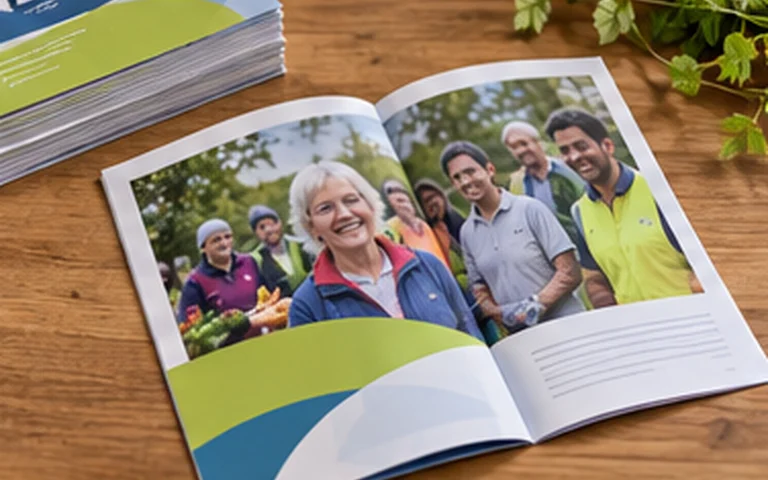
by twistedpixels | Jul 12, 2026 | Graphic Design
When project leads and volunteer coordinators compare suppliers for brochure design, the useful question is whether the project will deliver a clear sales document that helps readers compare what the business offers. A wide audience may include people who have never encountered the organisation or its work.
A typical decision might involve a time-bounded public initiative with limited staff time and several stakeholders. This is an illustrative brief. It points to the kind of evidence to ask for and helps explain why a quote may differ from a superficially similar job.
Choosing a suitable scope
The comparison here is a short overview versus a detailed publication designed for reference. Neither option has value in isolation. The right scope depends on whether the immediate priority is information that is accessible and accurate with a clear route to participate, and whether staff and volunteers who will answer the same questions during the campaign can maintain what has been agreed. A smaller commission can work well where there is one clear deadline and a stable offer. Where several teams or formats are involved, a broader scope may prevent duplicated effort, conflicting information or production delays.
For a physical job, the production and delivery schedule may matter as much as the design time. An installation or print run can depend on details that a visual presentation does not reveal. Ask which decisions affect production and when the opportunity to make changes closes.
What affects the quote
The most relevant quote factors are page count, copy readiness, image availability and the number of revisions. A reader should understand the key services and enquiry route without hunting through the document. Ask the provider to identify the assumptions behind the price, the work included and which changes would require another estimate. Two quotes can differ because one includes approval, production, delivery or ongoing support that the other treats as separate work. A fair comparison puts both proposals against the same business outcome and the same final deliverables.
What you can expect to receive
A useful proposal should specify an agreed layout, proofs for review and artwork matched to the printer's specification. For charities and community organisations, the conversation will usually be clearer when the business can share approved wording, programme details and a named reviewer for sensitive information. That information helps the supplier assess the scope and highlight anything the team still needs to decide. It also gives the people responsible for approval something concrete to review before the work moves into production or launch.
How to judge the completed work
Agree what a usable result looks like for project leads and volunteer coordinators. A plausible success test is whether the work supports information that is accessible and accurate with a clear route to participate, under the conditions the business sees day to day. Ask what the supplier will present for approval and who will own any issue spotted at that point. For a fixed deadline, check what date the supplier needs final approval, and what options are available if an essential detail changes.
Discussing your project with Twisted Pixels
Twisted Pixels can discuss the brief with project leads and volunteer coordinators in East Kilbride, Glasgow and the surrounding area. Tell us what the work needs to achieve, who it is for and when it needs to be ready. We can explain what a suitable scope is likely to include and where a sample, existing asset or more precise specification would make a quote more useful.
Explore brochure design, browse Twisted Pixels Insights or discuss your brief with Twisted Pixels.
Related commissioning guides
