
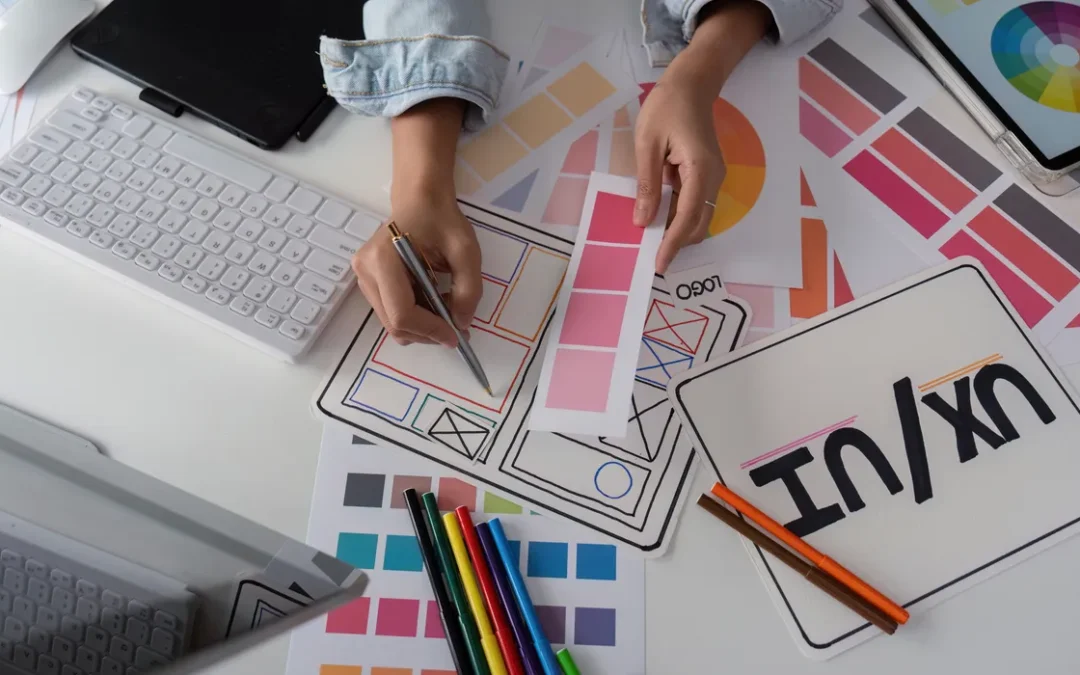
Identify the offer, audience and response channel. Before artwork is approved, identify where it will be seen and who needs to use the files. A design that works at full screen may behave differently on a printed item or small mobile crop.
How to put it into practice
List every format the artwork needs to fit before approving the first design.
Before you hand it over
Gather final prices, dates and disclaimers in one approved version. Try the checks on one real item, such as a business card, social graphic or packaging panel. Keep the approved file and its production instructions together.
Test it on a practical example
As a working exercise, choose one live example you can check from start to finish. Write down the intended result before comparing versions, or it will be difficult to tell whether a later change improved anything.
- List every format the artwork needs to fit before approving the first design.
- Gather final prices, dates and disclaimers in one approved version.
- Compare the final result with the intended use, and record who will confirm that it is ready.
Use the most demanding finished format for the first comparison. An identity that reads clearly on a widescreen presentation can look very different as a small mark on a printed label. Keep the content constant across the options and compare the reading order, the amount of usable space and the appearance of the approved artwork in each size.
What to record before sign-off
Keep a written record of the approved design direction, the exact file used for proofing and the intended production method. If changes are made after sign-off, check the affected formats again before releasing the new artwork.
For help with this work, explore our graphic design in East Kilbride and Glasgow or tell us about your project.