
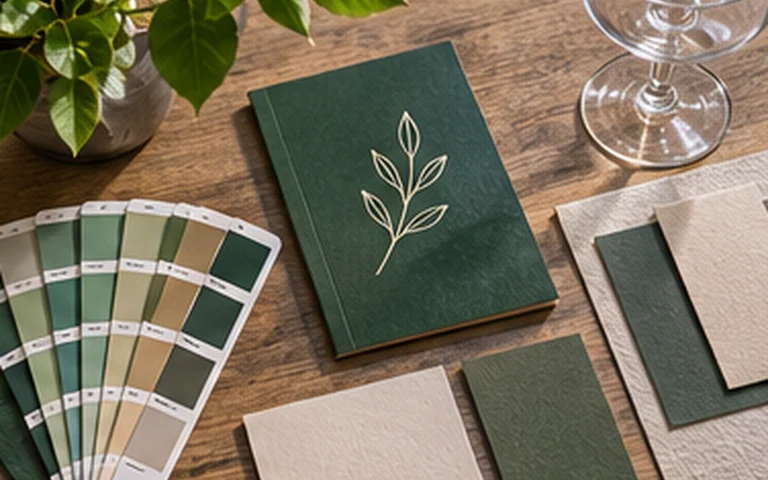
A consistent identity across the places customers encounter the business is the main reason many café, restaurant and venue operators commission visual identity design. In this setting, customers frequently make a decision while comparing time, location and availability on a phone.
A typical decision might involve an offer that changes with service times and may need a different treatment during peak trading. This is an illustrative brief. It points to the kind of evidence to ask for and helps explain why a quote may differ from a superficially similar job.
Choosing a suitable scope
The comparison here is a focused update to the existing identity versus a broader identity system. Neither option has value in isolation. The right scope depends on whether the immediate priority is an accurate picture of the experience and a simple route to book or visit, and whether front-of-house staff who receive repeat questions from customers can maintain what has been agreed. A smaller commission can work well where there is one clear deadline and a stable offer. Where several teams or formats are involved, a broader scope may prevent duplicated effort, conflicting information or production delays.
A small business can often separate a launch requirement from improvements it would like to make later. That distinction lets a supplier explain which items are necessary for a useful result and which could wait. It also makes it easier for the people using the work to understand what will be ready on the agreed date.
What affects the quote
The most relevant quote factors are current brand files, rollout priorities and the number of customer-facing formats. Recognition and consistency matter more than a long list of unused files. Ask the provider to identify the assumptions behind the price, the work included and which changes would require another estimate. Two quotes can differ because one includes approval, production, delivery or ongoing support that the other treats as separate work. A fair comparison puts both proposals against the same business outcome and the same final deliverables.
What you can expect to receive
A useful proposal should specify logo variations, typography and colour guidance with approved digital and print assets. For hospitality businesses, the conversation will usually be clearer when the business can share current menus, opening hours, booking arrangements and approved venue images. That information helps the supplier assess the scope and highlight anything the team still needs to decide. It also gives the people responsible for approval something concrete to review before the work moves into production or launch.
How to judge the completed work
Agree what a usable result looks like for café, restaurant and venue operators. A plausible success test is whether the work supports an accurate picture of the experience and a simple route to book or visit, under the conditions the business sees day to day. Ask what the supplier will present for approval and who will own any issue spotted at that point. For a fixed deadline, check what date the supplier needs final approval, and what options are available if an essential detail changes.
Discussing your project with Twisted Pixels
Twisted Pixels can discuss the brief with café, restaurant and venue operators in East Kilbride, Glasgow and the surrounding area. Tell us what the work needs to achieve, who it is for and when it needs to be ready. We can explain what a suitable scope is likely to include and where a sample, existing asset or more precise specification would make a quote more useful.
Explore visual identity design, browse Twisted Pixels Insights or discuss your brief with Twisted Pixels.