
by twistedpixels | Dec 13, 2022 | Business Signage
Check whether the job requires clean scaling, cut paths or special finishes. Signs have to work from a real approach route, in the lighting and space available. Confirm permissions and site measurements before approving artwork or choosing a material.
How to put it into practice
Supply the approved vector artwork and separate any guide layers as requested.
Before you hand it over
Review how fine details look at the finished size. Take a reference photo from the main approach and mark the proposed sign position. Review the proof against the photo and ask who owns the final site check.
Test it on a practical example
As a working exercise, choose one live example you can check from start to finish. Write down the intended result before comparing versions, or it will be difficult to tell whether a later change improved anything.
- Supply the approved vector artwork and separate any guide layers as requested.
- Review how fine details look at the finished size.
- Compare the final result with the intended use, and record who will confirm that it is ready.
Review the proposed design from the directions visitors normally approach. A photograph taken straight on helps with measurement, while a wider view helps identify competing signs, shadows and visual clutter. Compare the mock-up against the visible area rather than relying on the total size of the wall, fascia or window.
What to record before sign-off
Confirm who signs off the final dimensions, permissions and fitting arrangements. Keep approved wording alongside the measured drawing so the printer or fitter can identify any late changes.
For help with this work, explore our business signage in East Kilbride and Glasgow or tell us about your project.
Related reading

by twistedpixels | Nov 19, 2022 | Business Signage
Signs that help visitors recognise and navigate the premises is the main reason many sales managers and manufacturing business owners commission business signage. In this setting, customers compare specifications, delivery arrangements and the reliability of the supplier.
Consider a new range that must be represented consistently to existing accounts and prospects. In that situation, the value of professional support is a clearer agreement about what gets delivered, who approves it and what it will do for customers.
Choosing a suitable scope
The comparison here is a single shopfront update versus a coordinated family of signage. Neither option has value in isolation. The right scope depends on whether the immediate priority is a clearer buying decision and reliable information across the sales process, and whether sales and production colleagues who need to agree what the customer will receive can maintain what has been agreed. A smaller commission can work well where there is one clear deadline and a stable offer. Where several teams or formats are involved, a broader scope may prevent duplicated effort, conflicting information or production delays.
A small business can often separate a launch requirement from improvements it would like to make later. That distinction lets a supplier explain which items are necessary for a useful result and which could wait. It also makes it easier for the people using the work to understand what will be ready on the agreed date.
What affects the quote
The most relevant quote factors are site dimensions, materials, artwork, access and the required fitting scope. Compare site and installation responsibilities explicitly before commissioning. Ask the provider to identify the assumptions behind the price, the work included and which changes would require another estimate. Two quotes can differ because one includes approval, production, delivery or ongoing support that the other treats as separate work. A fair comparison puts both proposals against the same business outcome and the same final deliverables.
What you can expect to receive
A useful proposal should specify proofed sign artwork and the production deliverables included in the quote. For manufacturers and suppliers, the conversation will usually be clearer when the business can share current product information, images with permission and commercial sales priorities. That information helps the supplier assess the scope and highlight anything the team still needs to decide. It also gives the people responsible for approval something concrete to review before the work moves into production or launch.
How to judge the completed work
Agree what a usable result looks like for sales managers and manufacturing business owners. A plausible success test is whether the work supports a clearer buying decision and reliable information across the sales process, under the conditions the business sees day to day. Ask what the supplier will present for approval and who will own any issue spotted at that point. For a fixed deadline, check what date the supplier needs final approval, and what options are available if an essential detail changes.
Discussing your project with Twisted Pixels
Twisted Pixels can discuss the brief with sales managers and manufacturing business owners in East Kilbride, Glasgow and the surrounding area. Tell us what the work needs to achieve, who it is for and when it needs to be ready. We can explain what a suitable scope is likely to include and where a sample, existing asset or more precise specification would make a quote more useful.
Explore business signage, browse Twisted Pixels Insights or discuss your brief with Twisted Pixels.
Related commissioning guides

by twistedpixels | Sep 24, 2022 | Business Signage
Provide measured dimensions, location photos and the intended lifespan. Signs have to work from a real approach route, in the lighting and space available. Confirm permissions and site measurements before approving artwork or choosing a material.
How to put it into practice
Confirm artwork, materials, fitting and access allowances in the quote.
Before you hand it over
Compare like-for-like production and installation responsibilities. Take a reference photo from the main approach and mark the proposed sign position. Review the proof against the photo and ask who owns the final site check.
Test it on a practical example
As a working exercise, choose one live example you can check from start to finish. Write down the intended result before comparing versions, or it will be difficult to tell whether a later change improved anything.
- Confirm artwork, materials, fitting and access allowances in the quote.
- Compare like-for-like production and installation responsibilities.
- Compare the final result with the intended use, and record who will confirm that it is ready.
Review the proposed design from the directions visitors normally approach. A photograph taken straight on helps with measurement, while a wider view helps identify competing signs, shadows and visual clutter. Compare the mock-up against the visible area rather than relying on the total size of the wall, fascia or window.
What to record before sign-off
Confirm who signs off the final dimensions, permissions and fitting arrangements. Keep approved wording alongside the measured drawing so the printer or fitter can identify any late changes.
For help with this work, explore our business signage in East Kilbride and Glasgow or tell us about your project.
Related reading

by twistedpixels | Aug 18, 2022 | Business Signage
When project leads and volunteer coordinators compare suppliers for business signage, the useful question is whether the project will deliver signs that help visitors recognise and navigate the premises. A wide audience may include people who have never encountered the organisation or its work.
A typical decision might involve a time-bounded public initiative with limited staff time and several stakeholders. This is an illustrative brief. It points to the kind of evidence to ask for and helps explain why a quote may differ from a superficially similar job.
Choosing a suitable scope
The comparison here is a single shopfront update versus a coordinated family of signage. Neither option has value in isolation. The right scope depends on whether the immediate priority is information that is accessible and accurate with a clear route to participate, and whether staff and volunteers who will answer the same questions during the campaign can maintain what has been agreed. A smaller commission can work well where there is one clear deadline and a stable offer. Where several teams or formats are involved, a broader scope may prevent duplicated effort, conflicting information or production delays.
For a physical job, the production and delivery schedule may matter as much as the design time. An installation or print run can depend on details that a visual presentation does not reveal. Ask which decisions affect production and when the opportunity to make changes closes.
What affects the quote
The most relevant quote factors are site dimensions, materials, artwork, access and the required fitting scope. Compare site and installation responsibilities explicitly before commissioning. Ask the provider to identify the assumptions behind the price, the work included and which changes would require another estimate. Two quotes can differ because one includes approval, production, delivery or ongoing support that the other treats as separate work. A fair comparison puts both proposals against the same business outcome and the same final deliverables.
What you can expect to receive
A useful proposal should specify proofed sign artwork and the production deliverables included in the quote. For charities and community organisations, the conversation will usually be clearer when the business can share approved wording, programme details and a named reviewer for sensitive information. That information helps the supplier assess the scope and highlight anything the team still needs to decide. It also gives the people responsible for approval something concrete to review before the work moves into production or launch.
How to judge the completed work
Agree what a usable result looks like for project leads and volunteer coordinators. A plausible success test is whether the work supports information that is accessible and accurate with a clear route to participate, under the conditions the business sees day to day. Ask what the supplier will present for approval and who will own any issue spotted at that point. For a fixed deadline, check what date the supplier needs final approval, and what options are available if an essential detail changes.
Discussing your project with Twisted Pixels
Twisted Pixels can discuss the brief with project leads and volunteer coordinators in East Kilbride, Glasgow and the surrounding area. Tell us what the work needs to achieve, who it is for and when it needs to be ready. We can explain what a suitable scope is likely to include and where a sample, existing asset or more precise specification would make a quote more useful.
Explore business signage, browse Twisted Pixels Insights or discuss your brief with Twisted Pixels.
Related commissioning guides

by twistedpixels | Jul 30, 2022 | Business Signage
When founders working toward a first launch compare suppliers for business signage, the useful question is whether the project will deliver signs that help visitors recognise and navigate the premises. The business may need to explain its offer and build trust while it learns what customers ask for.
Consider a launch with an essential scope and a list of useful extras that can wait. In that situation, the value of professional support is a clearer agreement about what gets delivered, who approves it and what it will do for customers.
Choosing a suitable scope
The comparison here is a single shopfront update versus a coordinated family of signage. Neither option has value in isolation. The right scope depends on whether the immediate priority is a credible first impression and an enquiry or sales route that works from day one, and whether the founder or small team responsible for approving and maintaining the work can maintain what has been agreed. A smaller commission can work well where there is one clear deadline and a stable offer. Where several teams or formats are involved, a broader scope may prevent duplicated effort, conflicting information or production delays.
A small business can often separate a launch requirement from improvements it would like to make later. That distinction lets a supplier explain which items are necessary for a useful result and which could wait. It also makes it easier for the people using the work to understand what will be ready on the agreed date.
What affects the quote
The most relevant quote factors are site dimensions, materials, artwork, access and the required fitting scope. Compare site and installation responsibilities explicitly before commissioning. Ask the provider to identify the assumptions behind the price, the work included and which changes would require another estimate. Two quotes can differ because one includes approval, production, delivery or ongoing support that the other treats as separate work. A fair comparison puts both proposals against the same business outcome and the same final deliverables.
What you can expect to receive
A useful proposal should specify proofed sign artwork and the production deliverables included in the quote. For start-ups and new businesses, the conversation will usually be clearer when the business can share the approved name, actual launch requirements and confirmed operating details. That information helps the supplier assess the scope and highlight anything the team still needs to decide. It also gives the people responsible for approval something concrete to review before the work moves into production or launch.
How to judge the completed work
Agree what a usable result looks like for founders working toward a first launch. A plausible success test is whether the work supports a credible first impression and an enquiry or sales route that works from day one, under the conditions the business sees day to day. Ask what the supplier will present for approval and who will own any issue spotted at that point. For a fixed deadline, check what date the supplier needs final approval, and what options are available if an essential detail changes.
Discussing your project with Twisted Pixels
Twisted Pixels can discuss the brief with founders working toward a first launch in East Kilbride, Glasgow and the surrounding area. Tell us what the work needs to achieve, who it is for and when it needs to be ready. We can explain what a suitable scope is likely to include and where a sample, existing asset or more precise specification would make a quote more useful.
Explore business signage, browse Twisted Pixels Insights or discuss your brief with Twisted Pixels.
Related commissioning guides
by twistedpixels | Jul 18, 2022 | Business Signage
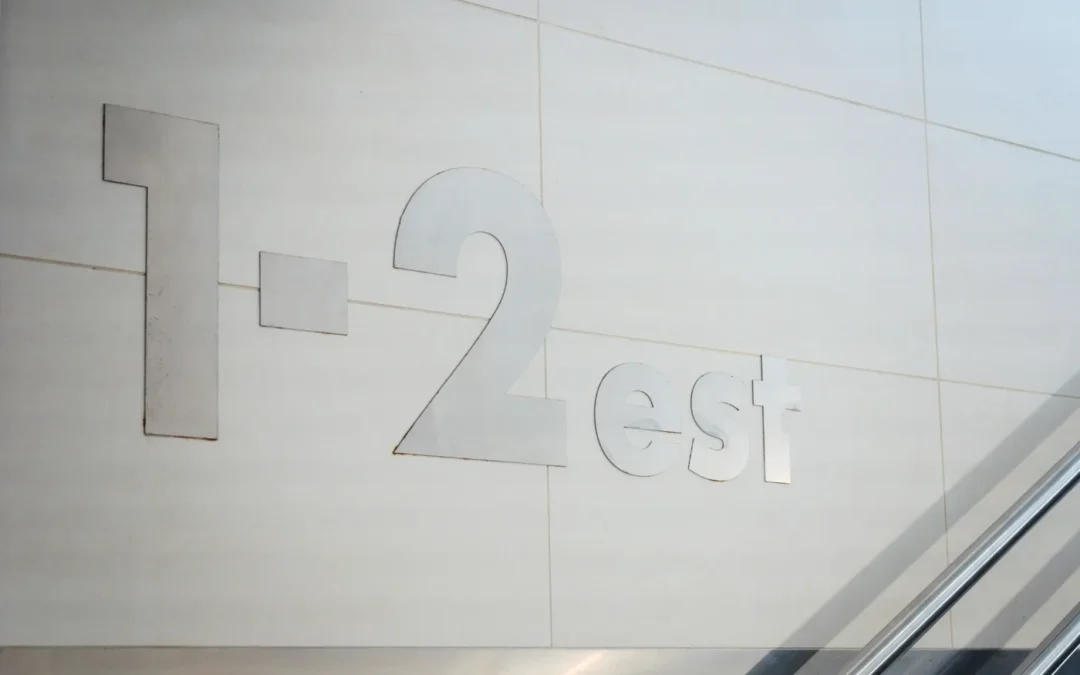
Map entries, receptions, lifts and internal decision points. Signs have to work from a real approach route, in the lighting and space available. Confirm permissions and site measurements before approving artwork or choosing a material.
Make the decision
Agree which information belongs on shared versus tenant signs.
Check the result
Set an update route for changes to occupants and room numbers. Take a reference photo from the main approach and mark the proposed sign position. Review the proof against the photo and ask who owns the final site check.
Test it on a practical example
As a working exercise, choose one live example you can check from start to finish. Write down the intended result before comparing versions, or it will be difficult to tell whether a later change improved anything.
- Agree which information belongs on shared versus tenant signs.
- Set an update route for changes to occupants and room numbers.
- Compare the final result with the intended use, and record who will confirm that it is ready.
Review the proposed design from the directions visitors normally approach. A photograph taken straight on helps with measurement, while a wider view helps identify competing signs, shadows and visual clutter. Compare the mock-up against the visible area rather than relying on the total size of the wall, fascia or window.
What to record before sign-off
Confirm who signs off the final dimensions, permissions and fitting arrangements. Keep approved wording alongside the measured drawing so the printer or fitter can identify any late changes.
For help with this work, explore our business signage in East Kilbride and Glasgow or tell us about your project.
Related reading
