
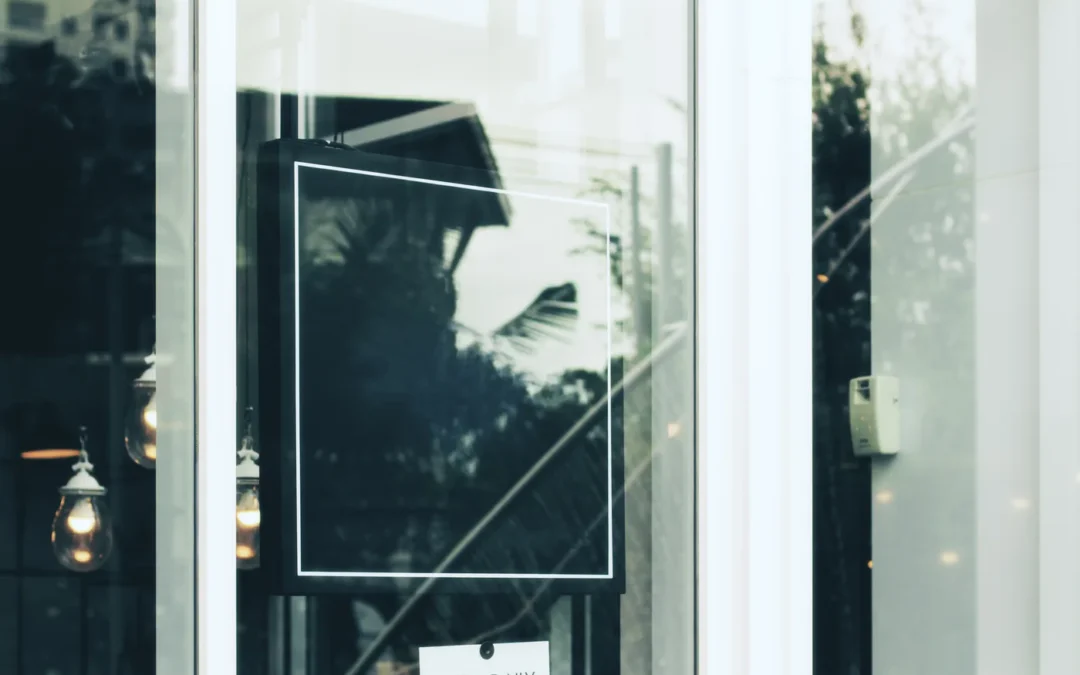
Check the current hours and holiday update process. Signs have to work from a real approach route, in the lighting and space available. Confirm permissions and site measurements before approving artwork or choosing a material.
Apply it to a real example
Position the information where visitors can read it when the premises are shut.
Review before approval
Keep the lettering clear against changing background and reflections. Take a reference photo from the main approach and mark the proposed sign position. Review the proof against the photo and ask who owns the final site check.
Test it on a practical example
As a working exercise, choose one live example you can check from start to finish. Write down the intended result before comparing versions, or it will be difficult to tell whether a later change improved anything.
- Position the information where visitors can read it when the premises are shut.
- Keep the lettering clear against changing background and reflections.
- Compare the final result with the intended use, and record who will confirm that it is ready.
Review the proposed design from the directions visitors normally approach. A photograph taken straight on helps with measurement, while a wider view helps identify competing signs, shadows and visual clutter. Compare the mock-up against the visible area rather than relying on the total size of the wall, fascia or window.
What to record before sign-off
Confirm who signs off the final dimensions, permissions and fitting arrangements. Keep approved wording alongside the measured drawing so the printer or fitter can identify any late changes.
For help with this work, explore our business signage in East Kilbride and Glasgow or tell us about your project.