
by twistedpixels | Jun 15, 2024 | Large Format Printing
When founders working toward a first launch compare suppliers for banner printing, the useful question is whether the project will deliver a banner suited to its position, mounting and expected exposure. The business may need to explain its offer and build trust while it learns what customers ask for.
Consider a launch with an essential scope and a list of useful extras that can wait. In that situation, the value of professional support is a clearer agreement about what gets delivered, who approves it and what it will do for customers.
Choosing a suitable scope
The comparison here is an indoor banner versus an outdoor display requiring different materials. Neither option has value in isolation. The right scope depends on whether the immediate priority is a credible first impression and an enquiry or sales route that works from day one, and whether the founder or small team responsible for approving and maintaining the work can maintain what has been agreed. A smaller commission can work well where there is one clear deadline and a stable offer. Where several teams or formats are involved, a broader scope may prevent duplicated effort, conflicting information or production delays.
A small business can often separate a launch requirement from improvements it would like to make later. That distinction lets a supplier explain which items are necessary for a useful result and which could wait. It also makes it easier for the people using the work to understand what will be ready on the agreed date.
What affects the quote
The most relevant quote factors are finished dimensions, location, material and finishing requirements. The quote should make explicit who is responsible for installation and permissions. Ask the provider to identify the assumptions behind the price, the work included and which changes would require another estimate. Two quotes can differ because one includes approval, production, delivery or ongoing support that the other treats as separate work. A fair comparison puts both proposals against the same business outcome and the same final deliverables.
What you can expect to receive
A useful proposal should specify print to the confirmed specification and the agreed finishing details. For start-ups and new businesses, the conversation will usually be clearer when the business can share the approved name, actual launch requirements and confirmed operating details. That information helps the supplier assess the scope and highlight anything the team still needs to decide. It also gives the people responsible for approval something concrete to review before the work moves into production or launch.
How to judge the completed work
Agree what a usable result looks like for founders working toward a first launch. A plausible success test is whether the work supports a credible first impression and an enquiry or sales route that works from day one, under the conditions the business sees day to day. Ask what the supplier will present for approval and who will own any issue spotted at that point. For a fixed deadline, check what date the supplier needs final approval, and what options are available if an essential detail changes.
Discussing your project with Twisted Pixels
Twisted Pixels can discuss the brief with founders working toward a first launch in East Kilbride, Glasgow and the surrounding area. Tell us what the work needs to achieve, who it is for and when it needs to be ready. We can explain what a suitable scope is likely to include and where a sample, existing asset or more precise specification would make a quote more useful.
Explore banner printing, browse Twisted Pixels Insights or discuss your brief with Twisted Pixels.
Related commissioning guides
by twistedpixels | Jun 14, 2024 | Large Format Printing
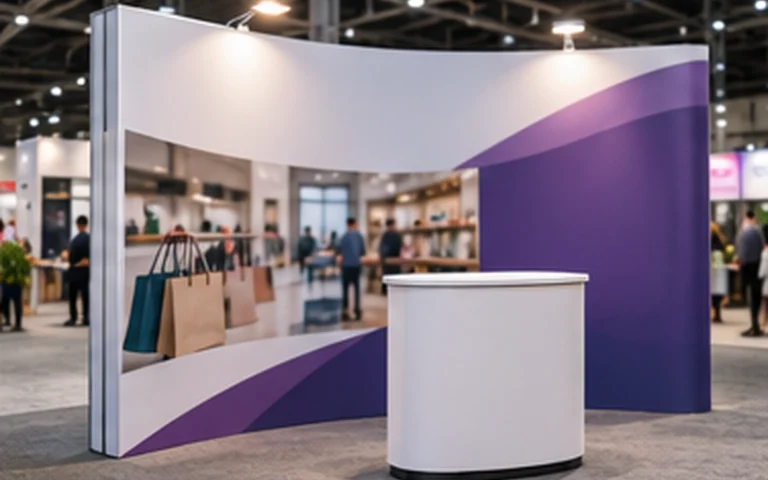
For shop owners and retail managers, the commercial value of exhibition graphics is a coordinated set of stand graphics that can be delivered and fitted on time. Customers often see the offer from the pavement, a search result or a social post before visiting.
A typical decision might involve a seasonal change that needs to reach both regular and passing customers. This is an illustrative brief. It points to the kind of evidence to ask for and helps explain why a quote may differ from a superficially similar job.
Choosing a suitable scope
The comparison here is a reusable display investment versus event-specific messaging. Neither option has value in isolation. The right scope depends on whether the immediate priority is a clear route from the first message to a visit, enquiry or purchase, and whether store staff who need to answer questions at busy times can maintain what has been agreed. A smaller commission can work well where there is one clear deadline and a stable offer. Where several teams or formats are involved, a broader scope may prevent duplicated effort, conflicting information or production delays.
Material, format and placement can affect what a customer sees in practice. A close-up proof has a different job from an example viewed from the pavement or on a phone. A useful professional proposal explains the relevant checks and who takes responsibility for each one.
What affects the quote
The most relevant quote factors are event deadline, stand dimensions, venue rules and the number of panels. Coordinate artwork approval around the venue deadline and fitting arrangements. Ask the provider to identify the assumptions behind the price, the work included and which changes would require another estimate. Two quotes can differ because one includes approval, production, delivery or ongoing support that the other treats as separate work. A fair comparison puts both proposals against the same business outcome and the same final deliverables.
What you can expect to receive
A useful proposal should specify proofed stand layouts and labelled finished display materials. For independent retailers, the conversation will usually be clearer when the business can share current opening information and details of any imminent promotion. That information helps the supplier assess the scope and highlight anything the team still needs to decide. It also gives the people responsible for approval something concrete to review before the work moves into production or launch.
How to judge the completed work
Agree what a usable result looks like for shop owners and retail managers. A plausible success test is whether the work supports a clear route from the first message to a visit, enquiry or purchase, under the conditions the business sees day to day. Ask what the supplier will present for approval and who will own any issue spotted at that point. For a fixed deadline, check what date the supplier needs final approval, and what options are available if an essential detail changes.
Discussing your project with Twisted Pixels
Twisted Pixels can discuss the brief with shop owners and retail managers in East Kilbride, Glasgow and the surrounding area. Tell us what the work needs to achieve, who it is for and when it needs to be ready. We can explain what a suitable scope is likely to include and where a sample, existing asset or more precise specification would make a quote more useful.
Explore exhibition graphics, browse Twisted Pixels Insights or discuss your brief with Twisted Pixels.
Related commissioning guides

by twistedpixels | May 11, 2024 | Large Format Printing
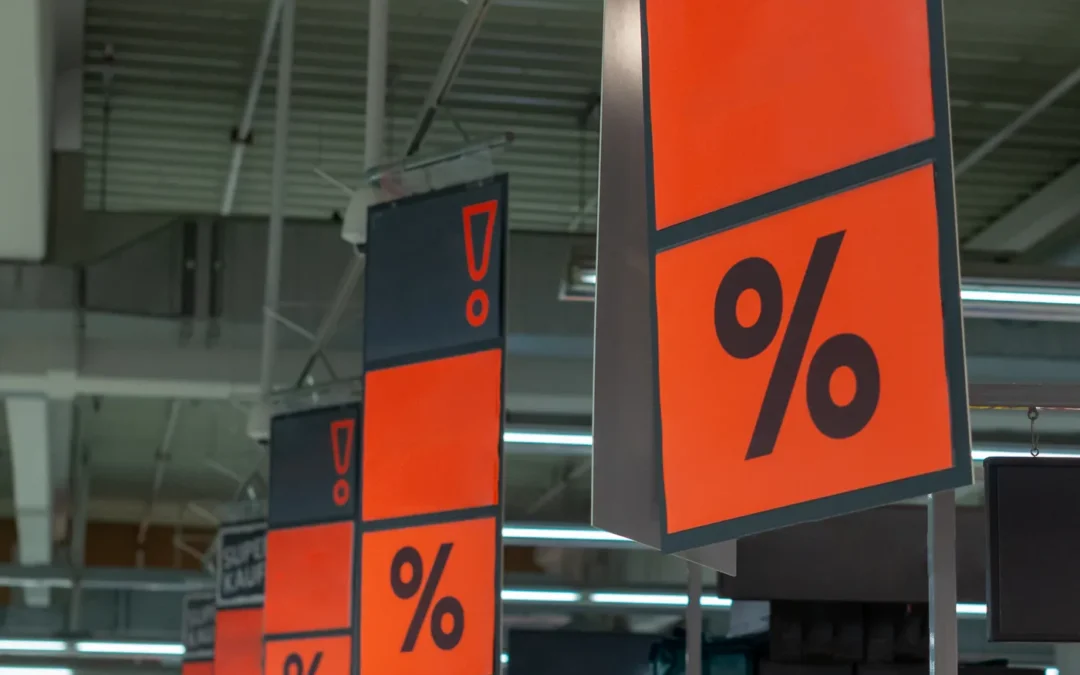
Measure the space and ask the venue about fixtures and access. A large display is judged in its surroundings. Record the finished dimensions, nearest and farthest useful viewing points, and what can obstruct the message.
Apply it to a real example
Choose a format that can be transported and installed on schedule.
Review before approval
Check that key text stays visible above furniture and crowds. Mark the artwork’s orientation and visible area on a photo or drawing of the site. Review it against the production template and confirm who checks fitting or setup.
Test it on a practical example
As a working exercise, choose one live example you can check from start to finish. Write down the intended result before comparing versions, or it will be difficult to tell whether a later change improved anything.
- Choose a format that can be transported and installed on schedule.
- Check that key text stays visible above furniture and crowds.
- Compare the final result with the intended use, and record who will confirm that it is ready.
Test a scaled layout in the intended space. Identify the common approach routes, the likely viewing distance and any obstructions before judging the design. Check whether a person can pick out the main message without stopping, and use supporting graphics or a separate information source for details that need more reading time.
What to record before sign-off
Send the supplier a labelled drawing or photograph. Make the finished dimensions, orientation and fixing assumptions explicit so that the proof can be checked against the proposed installation.
For help with this work, explore our banner printing in East Kilbride and Glasgow or tell us about your project.
Related reading
by twistedpixels | Apr 24, 2024 | Large Format Printing
Measure the glass and note frames, reflections and interior clutter. A large display is judged in its surroundings. Record the finished dimensions, nearest and farthest useful viewing points, and what can obstruct the message.
Make the decision
Check the preferred viewing direction and whether the message is seen at night.
Check the result
Make a mock-up at the target distance before production. Mark the artwork’s orientation and visible area on a photo or drawing of the site. Review it against the production template and confirm who checks fitting or setup.
Test it on a practical example
As a working exercise, choose one live example you can check from start to finish. Write down the intended result before comparing versions, or it will be difficult to tell whether a later change improved anything.
- Check the preferred viewing direction and whether the message is seen at night.
- Make a mock-up at the target distance before production.
- Compare the final result with the intended use, and record who will confirm that it is ready.
Test a scaled layout in the intended space. Identify the common approach routes, the likely viewing distance and any obstructions before judging the design. Check whether a person can pick out the main message without stopping, and use supporting graphics or a separate information source for details that need more reading time.
What to record before sign-off
Send the supplier a labelled drawing or photograph. Make the finished dimensions, orientation and fixing assumptions explicit so that the proof can be checked against the proposed installation.
For help with this work, explore our large format printing in East Kilbride and Glasgow or tell us about your project.
Related reading
by twistedpixels | Feb 24, 2024 | Large Format Printing
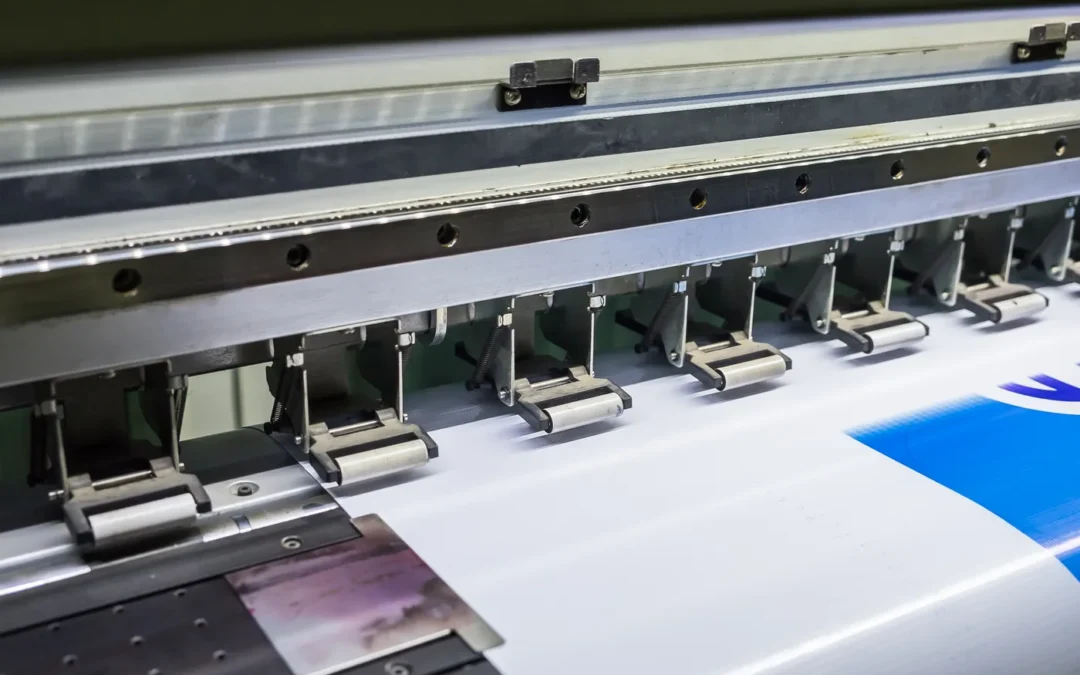
Check effective resolution at final size rather than file dimensions alone. A large display is judged in its surroundings. Record the finished dimensions, nearest and farthest useful viewing points, and what can obstruct the message.
How to put it into practice
Allow for the intended viewing distance and material texture.
Before you hand it over
Ask the printer to inspect a crop if the source image may be marginal. Mark the artwork’s orientation and visible area on a photo or drawing of the site. Review it against the production template and confirm who checks fitting or setup.
Test it on a practical example
As a working exercise, choose one live example you can check from start to finish. Write down the intended result before comparing versions, or it will be difficult to tell whether a later change improved anything.
- Allow for the intended viewing distance and material texture.
- Ask the printer to inspect a crop if the source image may be marginal.
- Compare the final result with the intended use, and record who will confirm that it is ready.
Test a scaled layout in the intended space. Identify the common approach routes, the likely viewing distance and any obstructions before judging the design. Check whether a person can pick out the main message without stopping, and use supporting graphics or a separate information source for details that need more reading time.
What to record before sign-off
Send the supplier a labelled drawing or photograph. Make the finished dimensions, orientation and fixing assumptions explicit so that the proof can be checked against the proposed installation.
For help with this work, explore our large format printing in East Kilbride and Glasgow or tell us about your project.
Related reading
by twistedpixels | Feb 22, 2024 | Large Format Printing
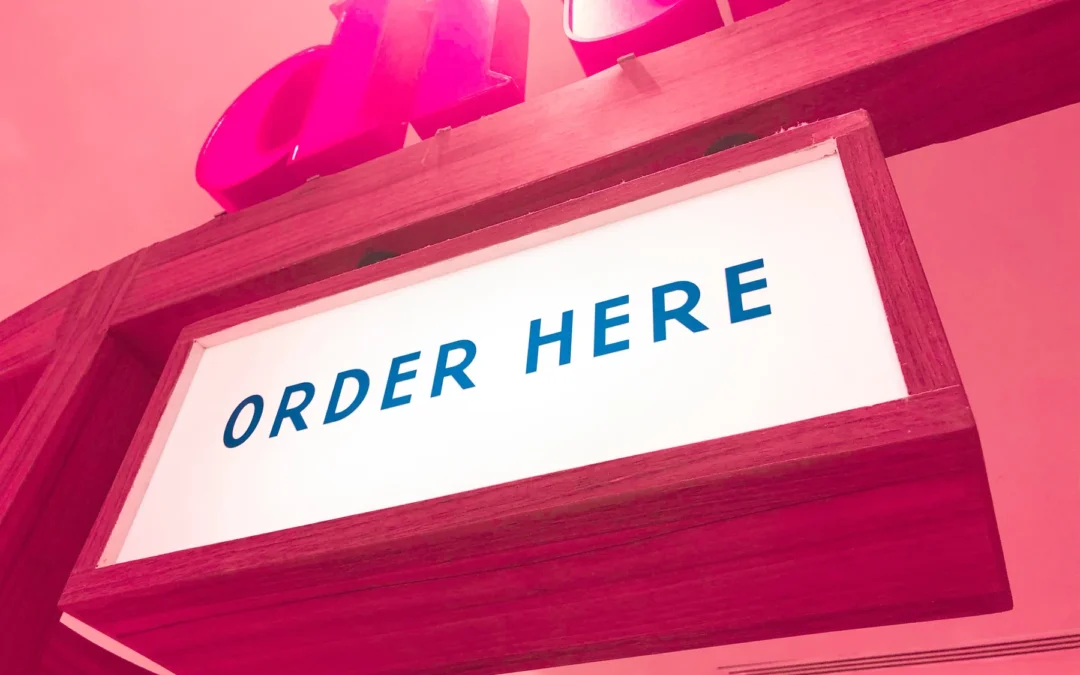
Record campaign dates, glass type and who will remove the display. A large display is judged in its surroundings. Record the finished dimensions, nearest and farthest useful viewing points, and what can obstruct the message.
Make the decision
Keep important copy outside frame and mounting areas.
Check the result
Ask the supplier about fitting and removal for the intended surface. Mark the artwork’s orientation and visible area on a photo or drawing of the site. Review it against the production template and confirm who checks fitting or setup.
Test it on a practical example
As a working exercise, choose one live example you can check from start to finish. Write down the intended result before comparing versions, or it will be difficult to tell whether a later change improved anything.
- Keep important copy outside frame and mounting areas.
- Ask the supplier about fitting and removal for the intended surface.
- Compare the final result with the intended use, and record who will confirm that it is ready.
Test a scaled layout in the intended space. Identify the common approach routes, the likely viewing distance and any obstructions before judging the design. Check whether a person can pick out the main message without stopping, and use supporting graphics or a separate information source for details that need more reading time.
What to record before sign-off
Send the supplier a labelled drawing or photograph. Make the finished dimensions, orientation and fixing assumptions explicit so that the proof can be checked against the proposed installation.
For help with this work, explore our large format printing in East Kilbride and Glasgow or tell us about your project.
Related reading
