by twistedpixels | Apr 8, 2021 | Full Colour Printing
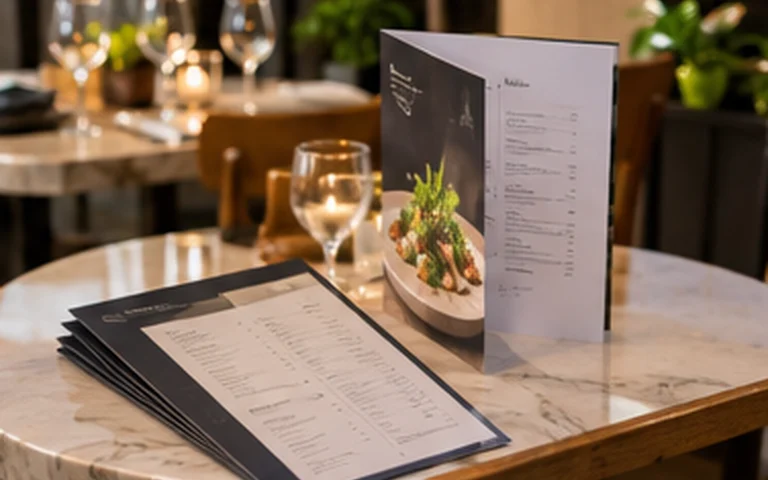
Printed materials that fit the intended handling, distribution and brand presentation is the main reason many café, restaurant and venue operators commission full colour business printing. In this setting, customers frequently make a decision while comparing time, location and availability on a phone.
A typical decision might involve an offer that changes with service times and may need a different treatment during peak trading. This is an illustrative brief. It points to the kind of evidence to ask for and helps explain why a quote may differ from a superficially similar job.
Choosing a suitable scope
The comparison here is one coordinated run versus shorter batches that can change more often. Neither option has value in isolation. The right scope depends on whether the immediate priority is an accurate picture of the experience and a simple route to book or visit, and whether front-of-house staff who receive repeat questions from customers can maintain what has been agreed. A smaller commission can work well where there is one clear deadline and a stable offer. Where several teams or formats are involved, a broader scope may prevent duplicated effort, conflicting information or production delays.
A small business can often separate a launch requirement from improvements it would like to make later. That distinction lets a supplier explain which items are necessary for a useful result and which could wait. It also makes it easier for the people using the work to understand what will be ready on the agreed date.
What affects the quote
The most relevant quote factors are finished sizes, stock, quantities, finishes and artwork readiness. Compare quotes against the same stock and finishing requirements. Ask the provider to identify the assumptions behind the price, the work included and which changes would require another estimate. Two quotes can differ because one includes approval, production, delivery or ongoing support that the other treats as separate work. A fair comparison puts both proposals against the same business outcome and the same final deliverables.
What you can expect to receive
A useful proposal should specify a written production specification, proofs and the agreed print run. For hospitality businesses, the conversation will usually be clearer when the business can share current menus, opening hours, booking arrangements and approved venue images. That information helps the supplier assess the scope and highlight anything the team still needs to decide. It also gives the people responsible for approval something concrete to review before the work moves into production or launch.
How to judge the completed work
Agree what a usable result looks like for café, restaurant and venue operators. A plausible success test is whether the work supports an accurate picture of the experience and a simple route to book or visit, under the conditions the business sees day to day. Ask what the supplier will present for approval and who will own any issue spotted at that point. For a fixed deadline, check what date the supplier needs final approval, and what options are available if an essential detail changes.
Discussing your project with Twisted Pixels
Twisted Pixels can discuss the brief with café, restaurant and venue operators in East Kilbride, Glasgow and the surrounding area. Tell us what the work needs to achieve, who it is for and when it needs to be ready. We can explain what a suitable scope is likely to include and where a sample, existing asset or more precise specification would make a quote more useful.
Explore full colour business printing, browse Twisted Pixels Insights or discuss your brief with Twisted Pixels.
Related commissioning guides

by twistedpixels | Mar 1, 2021 | Full Colour Printing
Decide how often the brochure will be handled and carried. Print decisions affect cost and usability together. Agree the finished size, quantity and intended use before locking in artwork or asking suppliers to compare prices.
Working through the details
Compare a separate cover with a self-cover on the intended binding.
A check you can repeat
Review a paper dummy for bulk and opening behaviour. For a trial, use the actual artwork and ask for a sample with similar stock and finish. Record what changed between the proof and final file so it can be checked on the next run.
Test it on a practical example
As a working exercise, choose one live example you can check from start to finish. Write down the intended result before comparing versions, or it will be difficult to tell whether a later change improved anything.
- Compare a separate cover with a self-cover on the intended binding.
- Review a paper dummy for bulk and opening behaviour.
- Compare the final result with the intended use, and record who will confirm that it is ready.
Compare samples at the intended finished size under ordinary lighting. A sheet might look good while lying flat and still be hard to read when folded or displayed in a rack. Include the actual paper and finishing choices wherever possible. Ask which specifications could change cost or lead time before approving a run.
What to record before sign-off
Retain the signed-off PDF and list the stock, quantity, dimensions and delivery date alongside it. If a specification or file changes, check that the latest artwork and quotation describe the same job.
For help with this work, explore our brochure printing in East Kilbride and Glasgow or tell us about your project.
Related reading
by twistedpixels | Feb 13, 2021 | Full Colour Printing
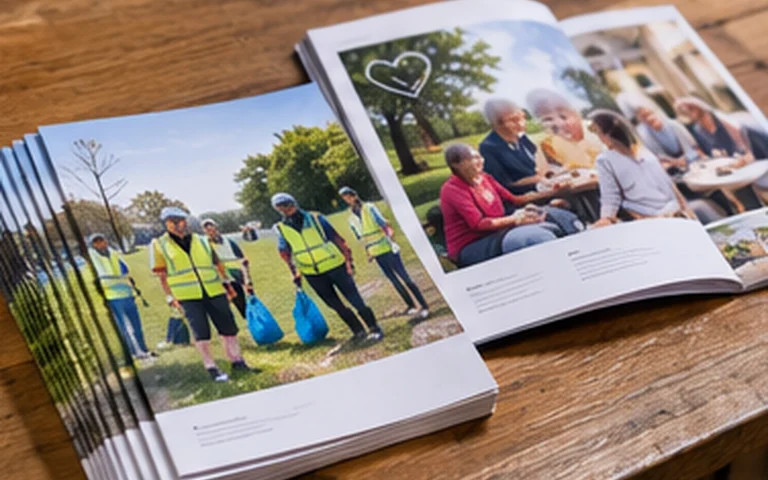
When project leads and volunteer coordinators compare suppliers for full colour business printing, the useful question is whether the project will deliver printed materials that fit the intended handling, distribution and brand presentation. A wide audience may include people who have never encountered the organisation or its work.
A typical decision might involve a time-bounded public initiative with limited staff time and several stakeholders. This is an illustrative brief. It points to the kind of evidence to ask for and helps explain why a quote may differ from a superficially similar job.
Choosing a suitable scope
The comparison here is one coordinated run versus shorter batches that can change more often. Neither option has value in isolation. The right scope depends on whether the immediate priority is information that is accessible and accurate with a clear route to participate, and whether staff and volunteers who will answer the same questions during the campaign can maintain what has been agreed. A smaller commission can work well where there is one clear deadline and a stable offer. Where several teams or formats are involved, a broader scope may prevent duplicated effort, conflicting information or production delays.
A small business can often separate a launch requirement from improvements it would like to make later. That distinction lets a supplier explain which items are necessary for a useful result and which could wait. It also makes it easier for the people using the work to understand what will be ready on the agreed date.
What affects the quote
The most relevant quote factors are finished sizes, stock, quantities, finishes and artwork readiness. Compare quotes against the same stock and finishing requirements. Ask the provider to identify the assumptions behind the price, the work included and which changes would require another estimate. Two quotes can differ because one includes approval, production, delivery or ongoing support that the other treats as separate work. A fair comparison puts both proposals against the same business outcome and the same final deliverables.
What you can expect to receive
A useful proposal should specify a written production specification, proofs and the agreed print run. For charities and community organisations, the conversation will usually be clearer when the business can share approved wording, programme details and a named reviewer for sensitive information. That information helps the supplier assess the scope and highlight anything the team still needs to decide. It also gives the people responsible for approval something concrete to review before the work moves into production or launch.
How to judge the completed work
Agree what a usable result looks like for project leads and volunteer coordinators. A plausible success test is whether the work supports information that is accessible and accurate with a clear route to participate, under the conditions the business sees day to day. Ask what the supplier will present for approval and who will own any issue spotted at that point. For a fixed deadline, check what date the supplier needs final approval, and what options are available if an essential detail changes.
Discussing your project with Twisted Pixels
Twisted Pixels can discuss the brief with project leads and volunteer coordinators in East Kilbride, Glasgow and the surrounding area. Tell us what the work needs to achieve, who it is for and when it needs to be ready. We can explain what a suitable scope is likely to include and where a sample, existing asset or more precise specification would make a quote more useful.
Explore full colour business printing, browse Twisted Pixels Insights or discuss your brief with Twisted Pixels.
Related commissioning guides

by twistedpixels | Feb 12, 2021 | Full Colour Printing
Give each postcard one clear offer and a response route. Print decisions affect cost and usability together. Agree the finished size, quantity and intended use before locking in artwork or asking suppliers to compare prices.
Working through the details
Use a short campaign URL or a trackable QR code with a readable backup.
A check you can repeat
Record distribution quantities and compare response with the campaign dates. For a trial, use the actual artwork and ask for a sample with similar stock and finish. Record what changed between the proof and final file so it can be checked on the next run.
Test it on a practical example
As a working exercise, choose one live example you can check from start to finish. Write down the intended result before comparing versions, or it will be difficult to tell whether a later change improved anything.
- Use a short campaign URL or a trackable QR code with a readable backup.
- Record distribution quantities and compare response with the campaign dates.
- Compare the final result with the intended use, and record who will confirm that it is ready.
Compare samples at the intended finished size under ordinary lighting. A sheet might look good while lying flat and still be hard to read when folded or displayed in a rack. Include the actual paper and finishing choices wherever possible. Ask which specifications could change cost or lead time before approving a run.
What to record before sign-off
Retain the signed-off PDF and list the stock, quantity, dimensions and delivery date alongside it. If a specification or file changes, check that the latest artwork and quotation describe the same job.
For help with this work, explore our full colour printing in East Kilbride and Glasgow or tell us about your project.
Related reading
